Blog


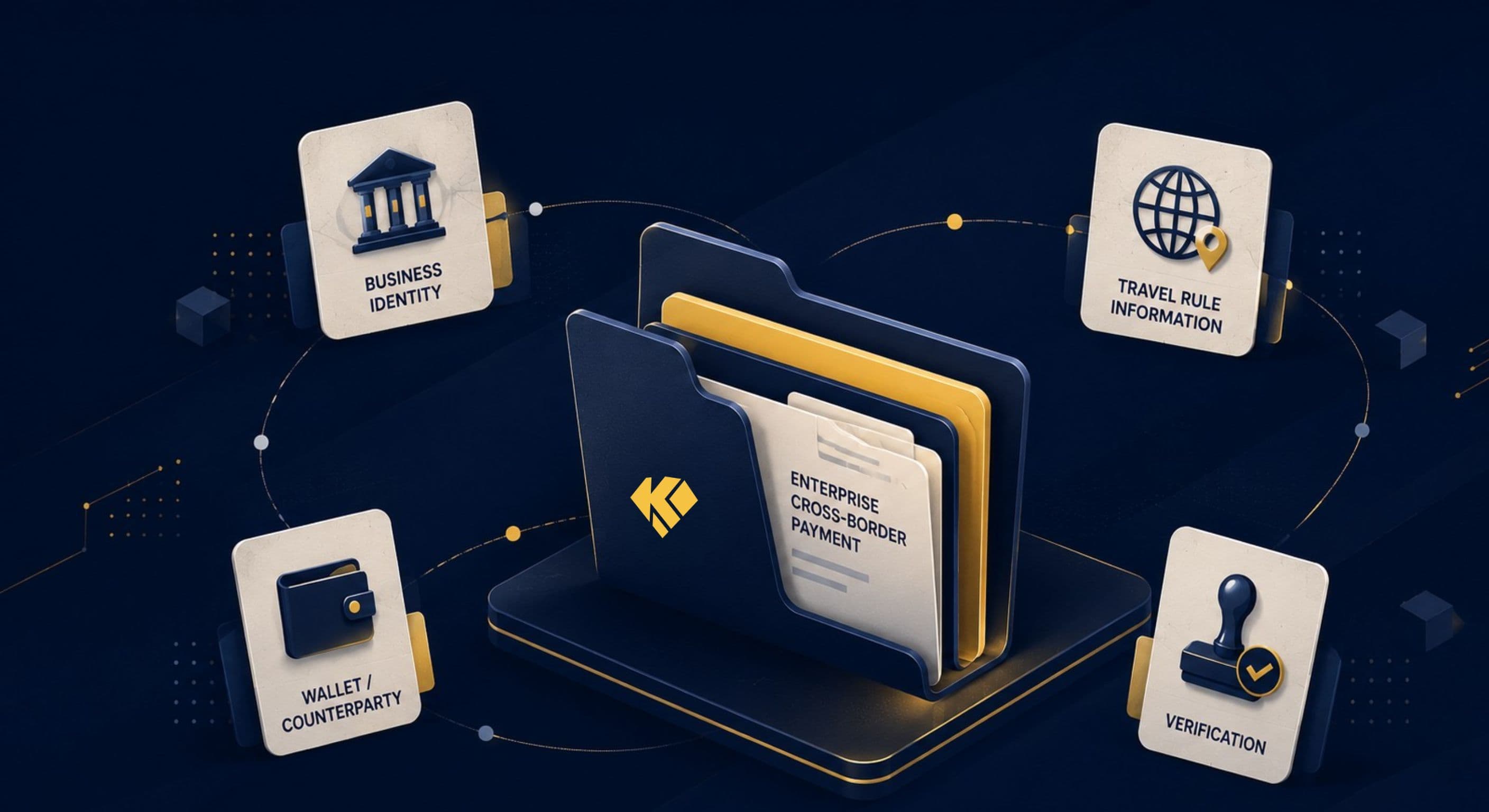
Travel Rule and Cross-Border Payments: What Businesses Need to Rethink Before Implementation
Understand how the Travel Rule affects enterprise cross-border payments. Learn why implementation is more than compliance and what businesses should prepare before adopting stablecoin payments.

What Taiwan's New VASP Act Means for Businesses: Five Key Takeaways
Taiwan's new Virtual Asset Service Act (VASP Act) introduces a licensing framework for digital asset businesses. Learn how VASPs, the Travel Rule, KYB, and stablecoins will impact enterprises and what businesses should prepare for under Taiwan's evolving regulatory landscape.

Why Stablecoin Transfers Break at Scale: Reconciliation, Compliance, and Address Risk
Stablecoin transfers often break at scale due to reconciliation gaps, address errors, missing transaction identifiers, and weak compliance controls. This article explains the core operational risks and how teams structure stablecoin payment systems to maintain traceability and audit readiness.
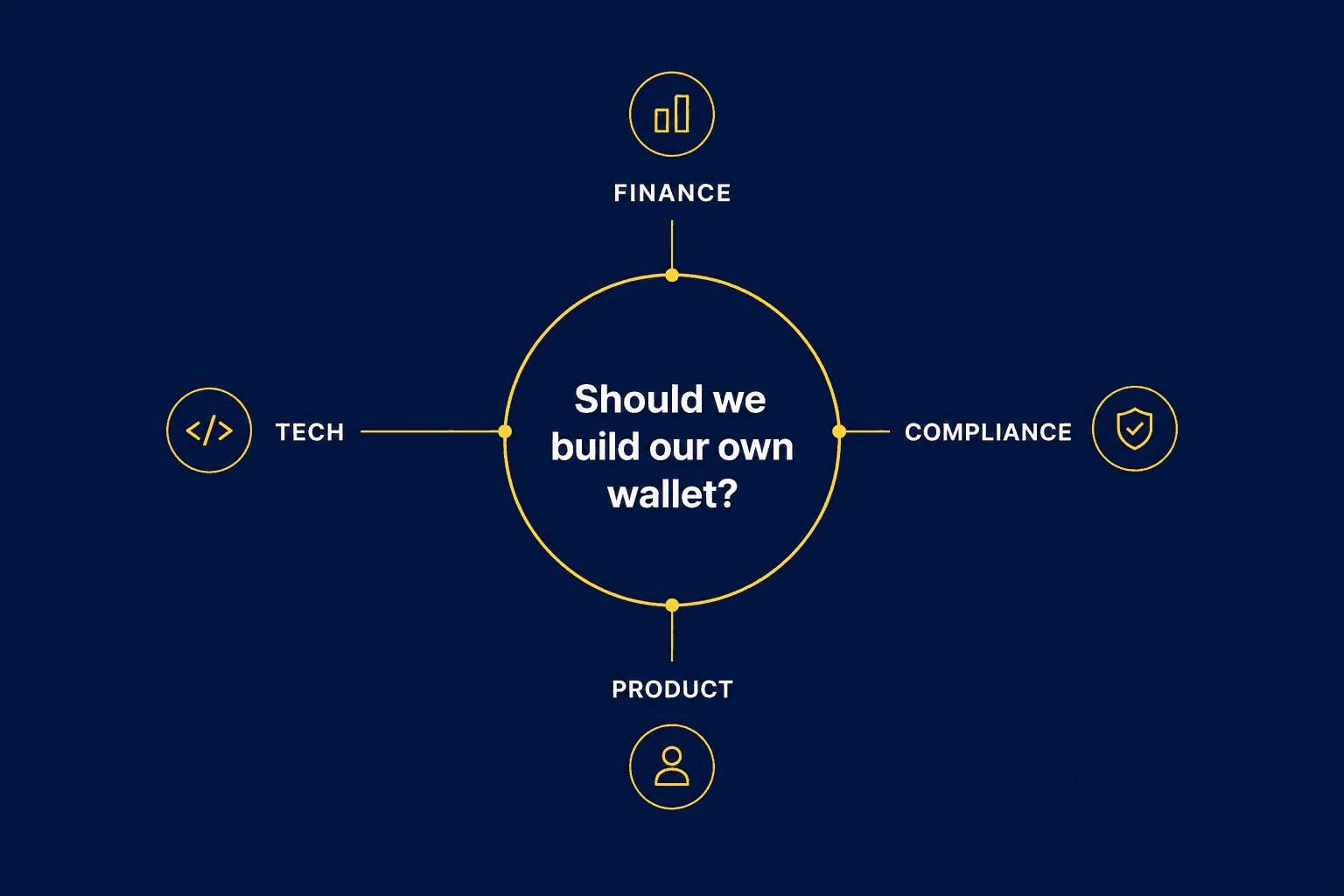
Where White-Label Wallet Projects Actually Get Stuck
Most white-label wallet projects don’t stall on features. They stall on fund control, compliance, integration, and user adoption. A practical breakdown of how companies actually evaluate them.

How Mining Farms Use Stablecoins for Electricity Payments: From Collection to Compliance
Mining farms are increasingly using stablecoins like USDT and USDC to collect electricity payments from global clients. While payments become faster and cheaper, the real challenge lies in managing high-frequency transactions, reconciling funds, and ensuring compliance through KYC and risk monitoring systems. This article breaks down the full operational flow and key bottlenecks.

What Are KYC, KYB, and KYA? What Businesses Actually Need to Check When Using Virtual Assets
Explore how businesses operationalize KYC, KYB, and KYA in virtual asset payment workflows, including identity verification, ownership analysis, and on-chain risk assessment.

Who Actually Needs Stablecoin Payments in 2026? - And Why Traditional Systems Can’t Support Them
Explore real-world stablecoin payment use cases across mining, e-commerce, Web3, and global payroll—and why businesses adopt them for cross-border transactions.

What Changes When a Company Starts Accepting USDT? A Practical Guide for Finance Teams
More companies are beginning to receive payments in USDT. But what does this mean for finance teams? This guide explains how stablecoin payments change corporate workflows—from wallet management and reconciliation to accounting and compliance.

From 2,000 BTC to Enterprise Treasury Risk
At the beginning of the year, reports emerged that South Korea’s second-largest cryptocurrency exchange, Bithumb, had mistakenly transferred approximately 2,000 BTC, triggering significant market volatility. Beyond the scale of the incident, the event highlighted deeper structural questions about internal controls, risk architecture, and how financial systems manage human error.

Cross-Border Trade in 2026: Receiving USDT from FX-Controlled Markets
As foreign exchange controls and settlement frictions become structural constraints, more enterprises are receiving USDT as part of cross-border trade. This article examines why the issue is no longer about tools or efficiency, but about institutional roles, responsibility, and governance within global payment flows.
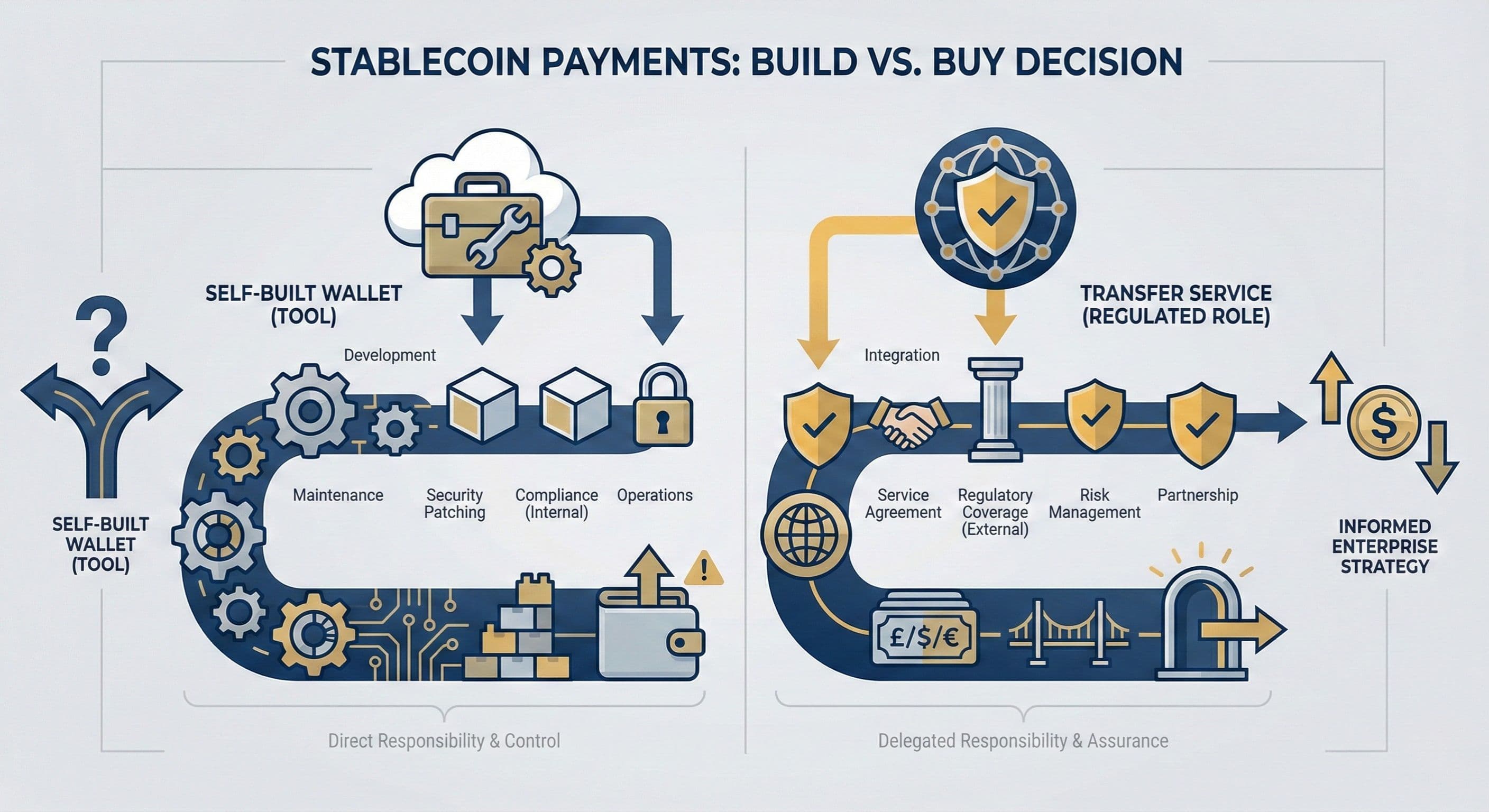
Why Companies Shouldn’t Build Their Own Wallets for Stablecoin Payments
Why building an in-house wallet for stablecoin payments often creates regulatory, operational, and liability risks. A build-vs-buy analysis for product and engineering teams.
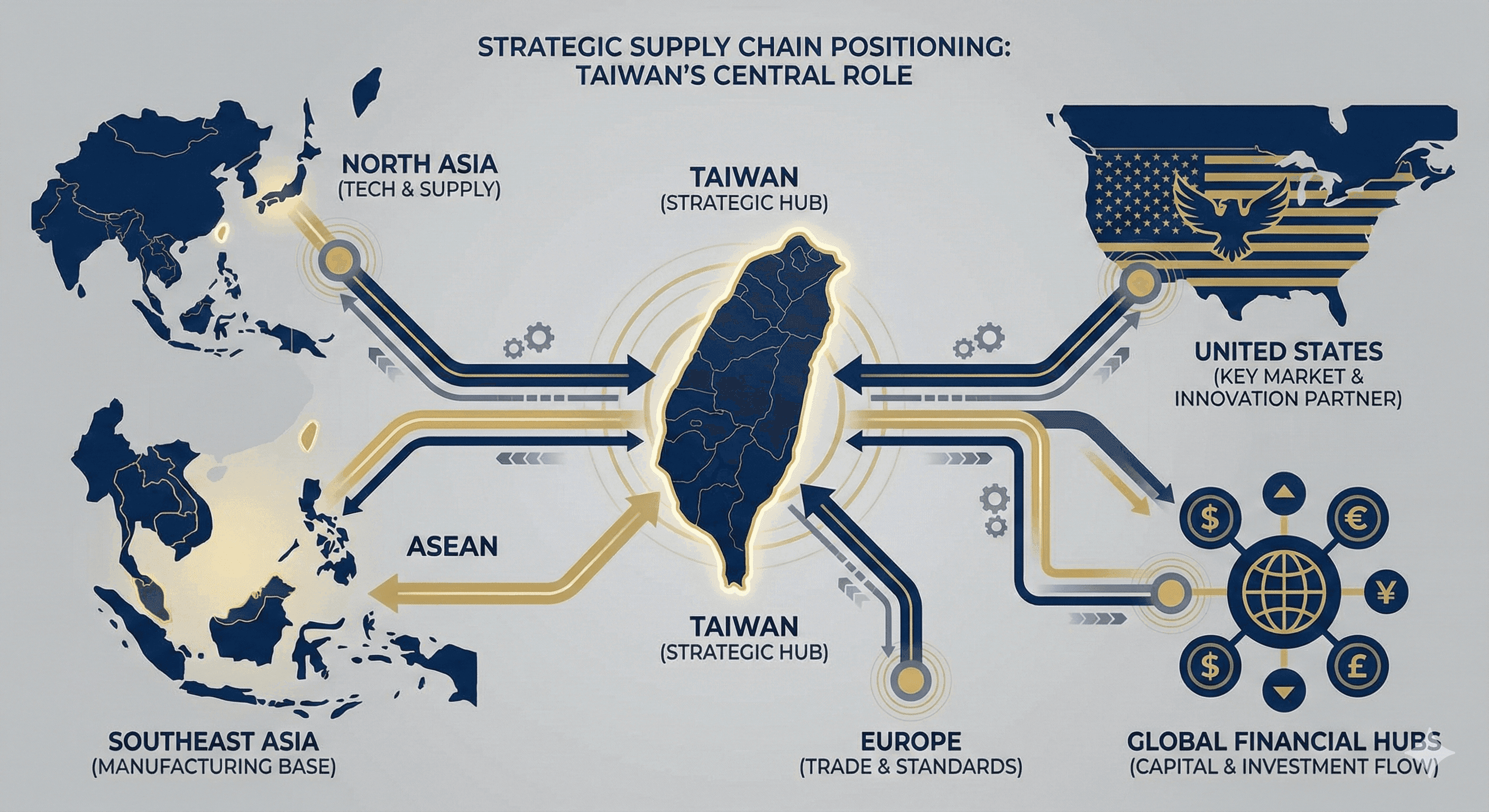
As Stablecoins Go Mainstream, Why Taiwan Enterprises Have a Rare Strategic Window
As stablecoins enter global regulatory frameworks, cross-border payments are being reshaped. This article explains why Taiwanese enterprises have a unique opportunity to move ahead in the next phase of global finance.