Blog



Binance Hack: What It Means for Businesses Using Stablecoins
The Binance hack exposed three risks for any business using stablecoins: frozen third-party balances, tainted incoming payments, and misused signing access.

What Are Maker, Approver, and Signer Roles in an Enterprise Wallet?
In an enterprise wallet, the Maker requests, the Approver decides, and the Signer executes. How to set thresholds, allowlists, offboarding, and audit logs.

How Should Finance Teams Reconcile Stablecoin Payments at Month End?
Stablecoin reconciliation links each TxID to a wallet, counterparty, invoice, approval, and price. A month-end close framework for finance and audit teams.

KYB Onboarding: Why Cross-Border Verification Slows Down
Cross-border KYB onboarding often stalls on ownership checks and conflicting registry data. Learn which steps teams can automate and which need manual review.
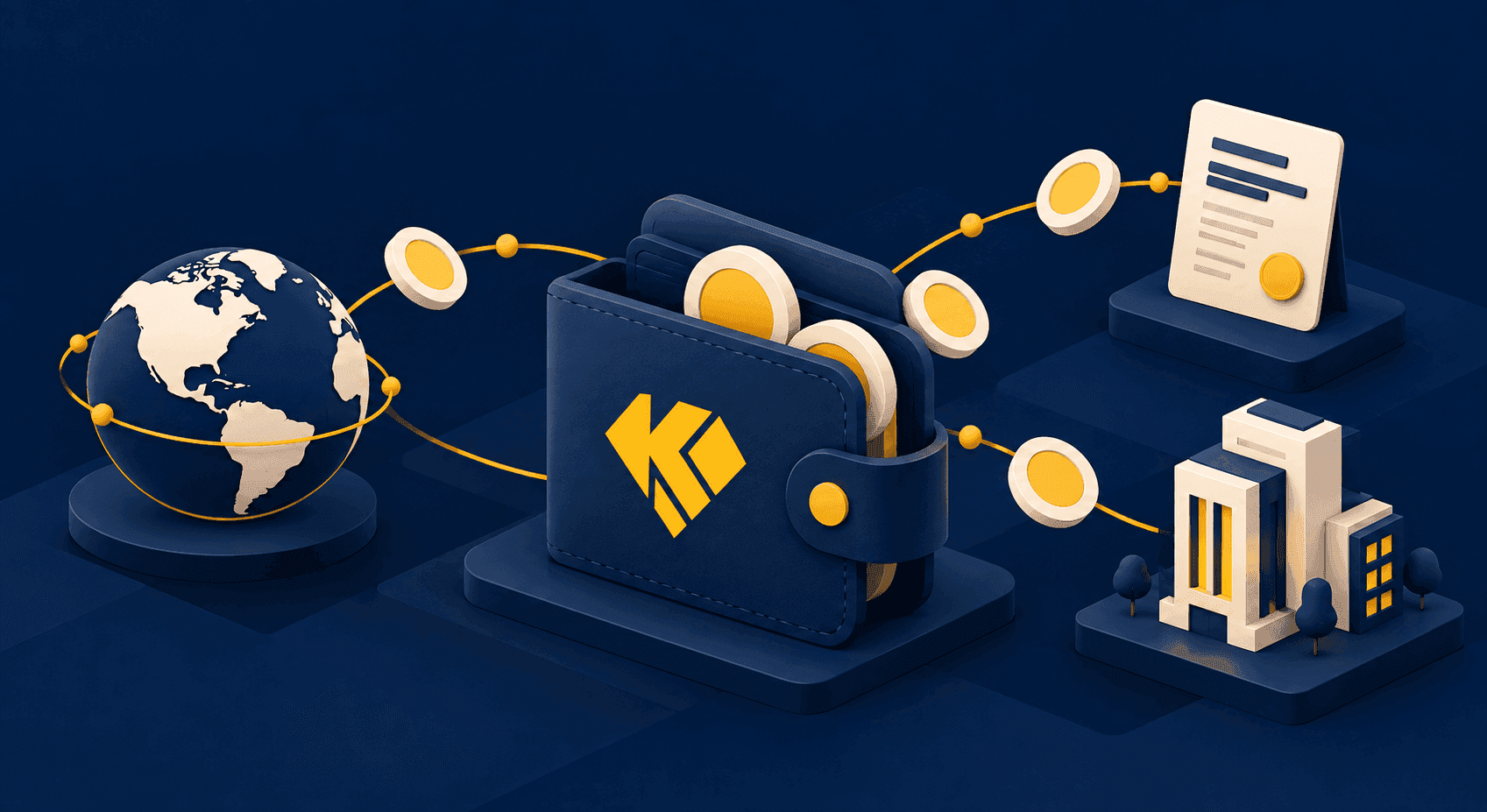
Why Are Enterprises Using Stablecoins Beyond Crypto Trading?
Enterprises are evaluating stablecoins as a payment and settlement rail, not a trading asset. What changes, what it takes to operate, and what risks to assess first.
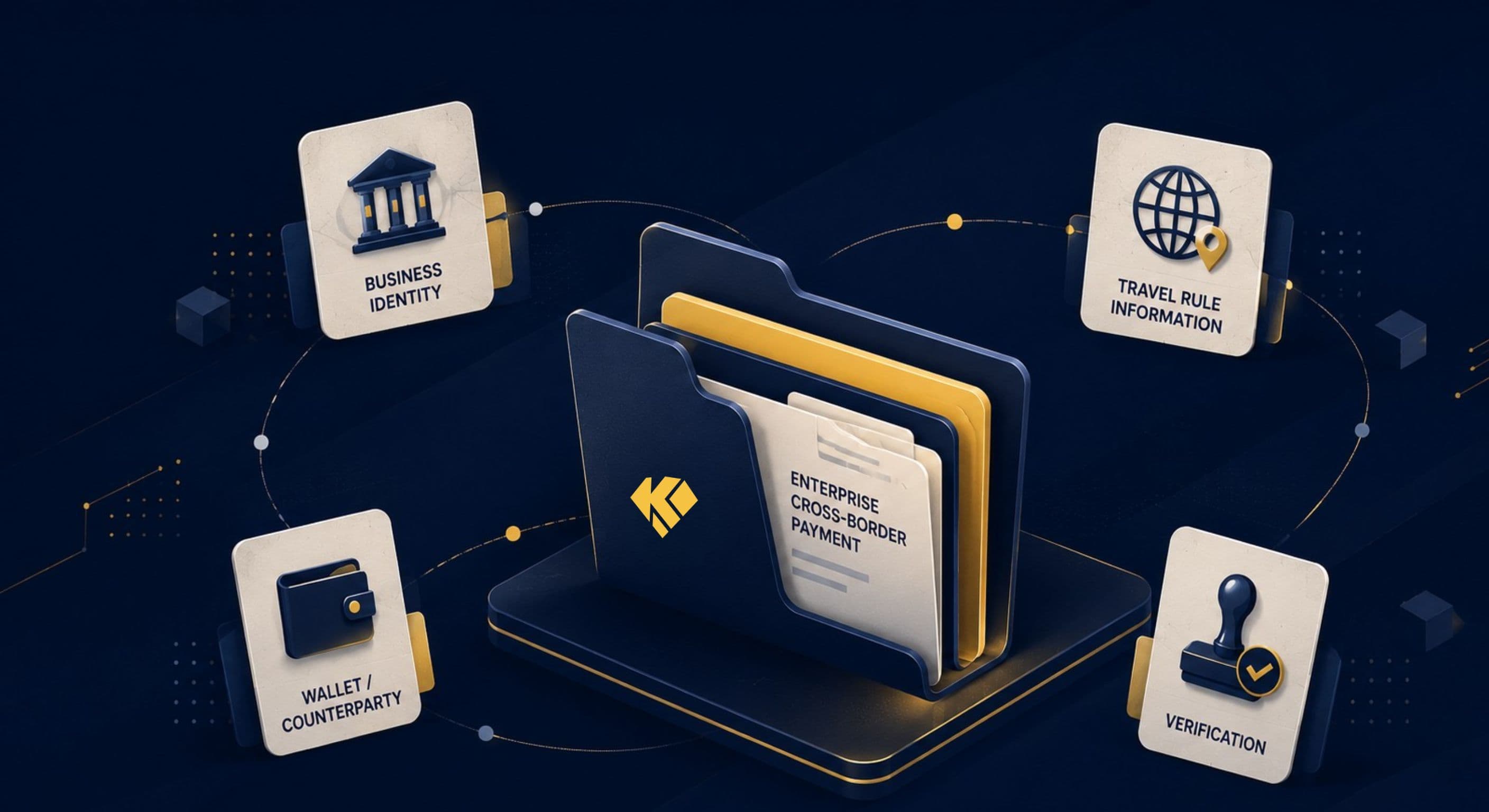
Travel Rule and Cross-Border Payments: What Businesses Need to Rethink Before Implementation
Understand how the Travel Rule affects enterprise cross-border payments. Learn why implementation is more than compliance and what businesses should prepare before adopting stablecoin payments.

What Taiwan's New VASP Act Means for Businesses: Five Key Takeaways
Taiwan's new Virtual Asset Service Act (VASP Act) introduces a licensing framework for digital asset businesses. Learn how VASPs, the Travel Rule, KYB, and stablecoins will impact enterprises and what businesses should prepare for under Taiwan's evolving regulatory landscape.

Why Stablecoin Transfers Break at Scale: Reconciliation, Compliance, and Address Risk
Stablecoin transfers often break at scale due to reconciliation gaps, address errors, missing transaction identifiers, and weak compliance controls. This article explains the core operational risks and how teams structure stablecoin payment systems to maintain traceability and audit readiness.
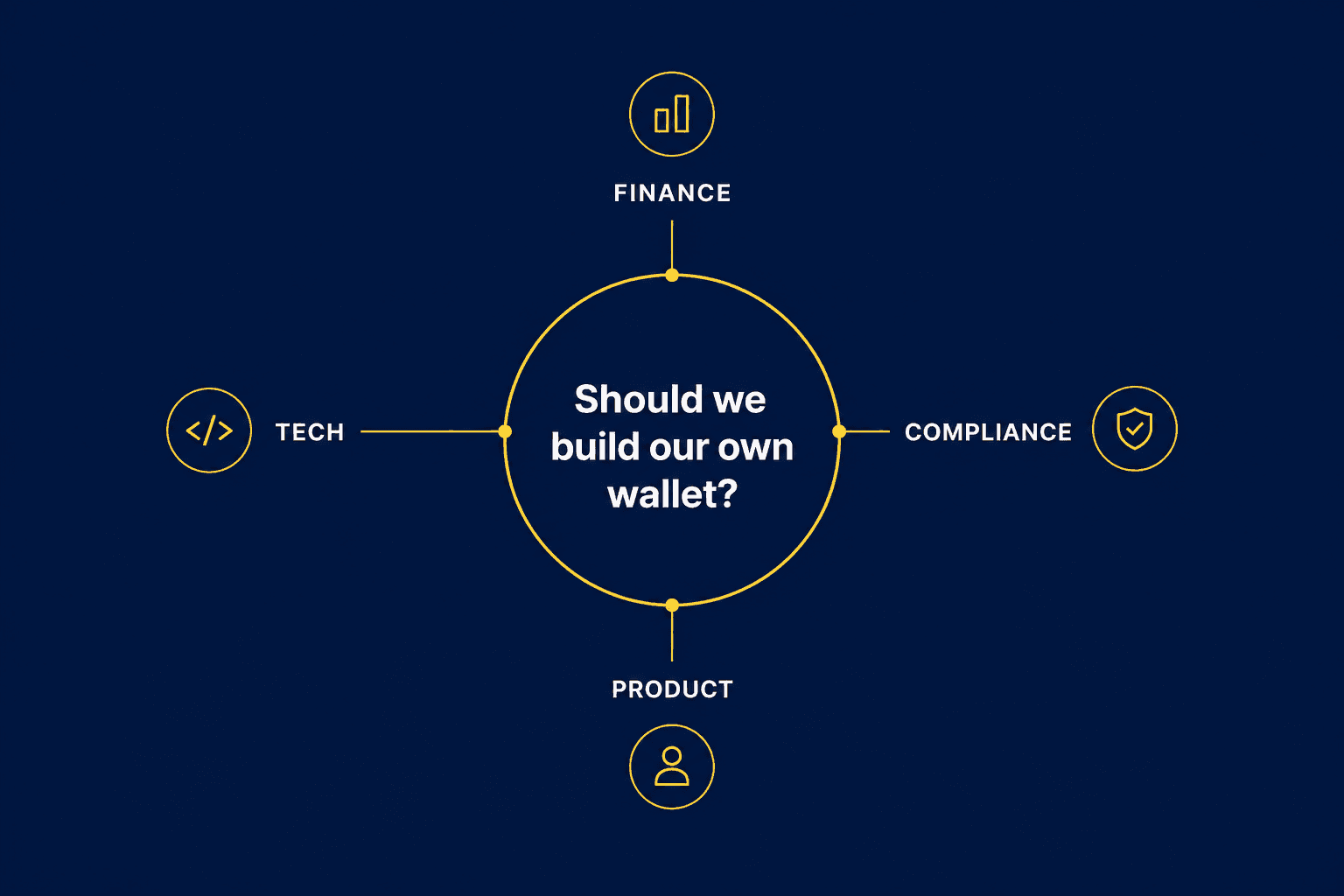
Where White-Label Wallet Projects Actually Get Stuck
Most white-label wallet projects don’t stall on features. They stall on fund control, compliance, integration, and user adoption. A practical breakdown of how companies actually evaluate them.
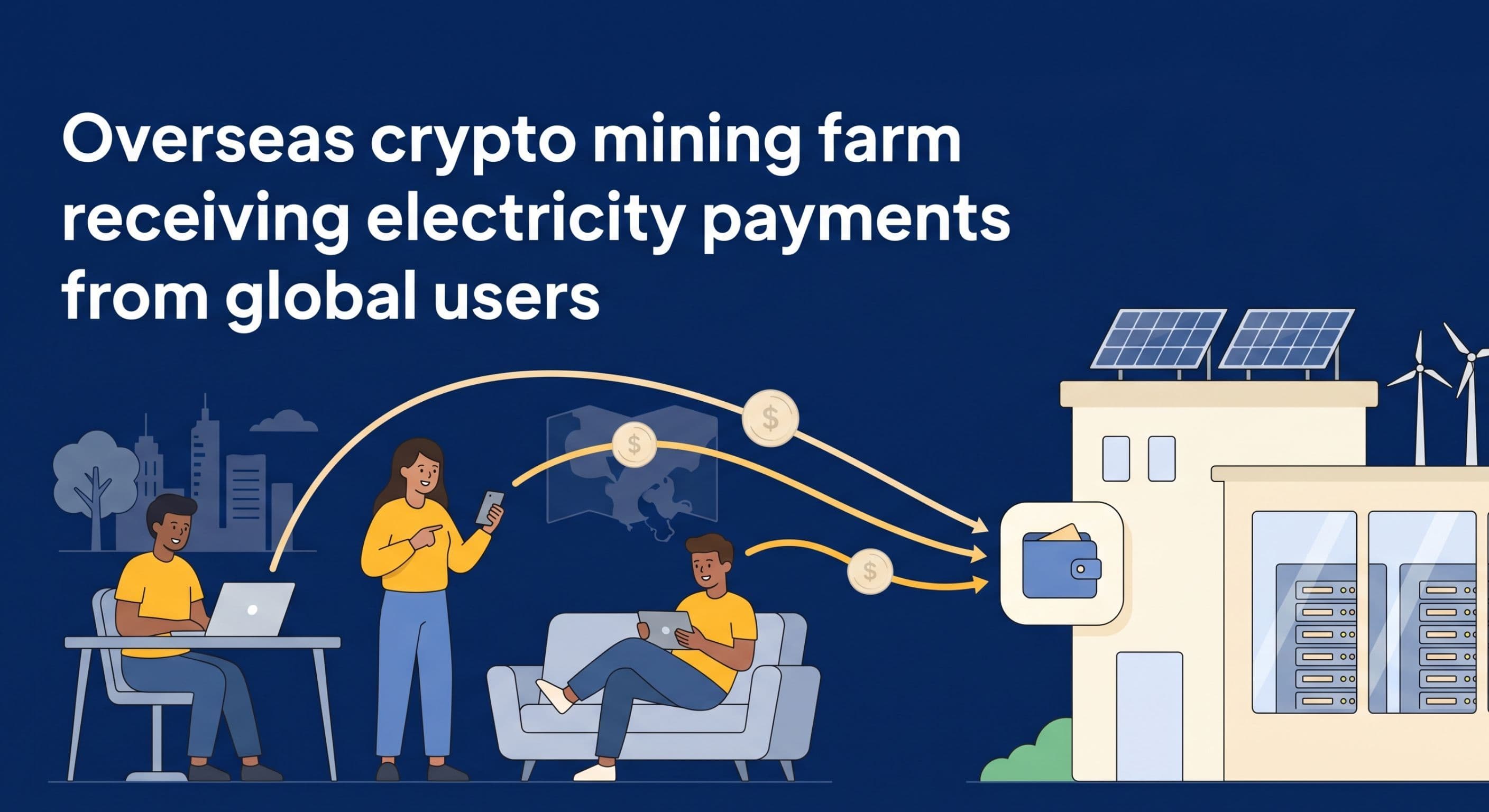
How Mining Farms Use Stablecoins for Electricity Payments: From Collection to Compliance
Mining farms are increasingly using stablecoins like USDT and USDC to collect electricity payments from global clients. While payments become faster and cheaper, the real challenge lies in managing high-frequency transactions, reconciling funds, and ensuring compliance through KYC and risk monitoring systems. This article breaks down the full operational flow and key bottlenecks.

What Are KYC, KYB, and KYA? What Businesses Actually Need to Check When Using Virtual Assets
Explore how businesses operationalize KYC, KYB, and KYA in virtual asset payment workflows, including identity verification, ownership analysis, and on-chain risk assessment.

Who Actually Needs Stablecoin Payments in 2026? - And Why Traditional Systems Can’t Support Them
Explore real-world stablecoin payment use cases across mining, e-commerce, Web3, and global payroll—and why businesses adopt them for cross-border transactions.